
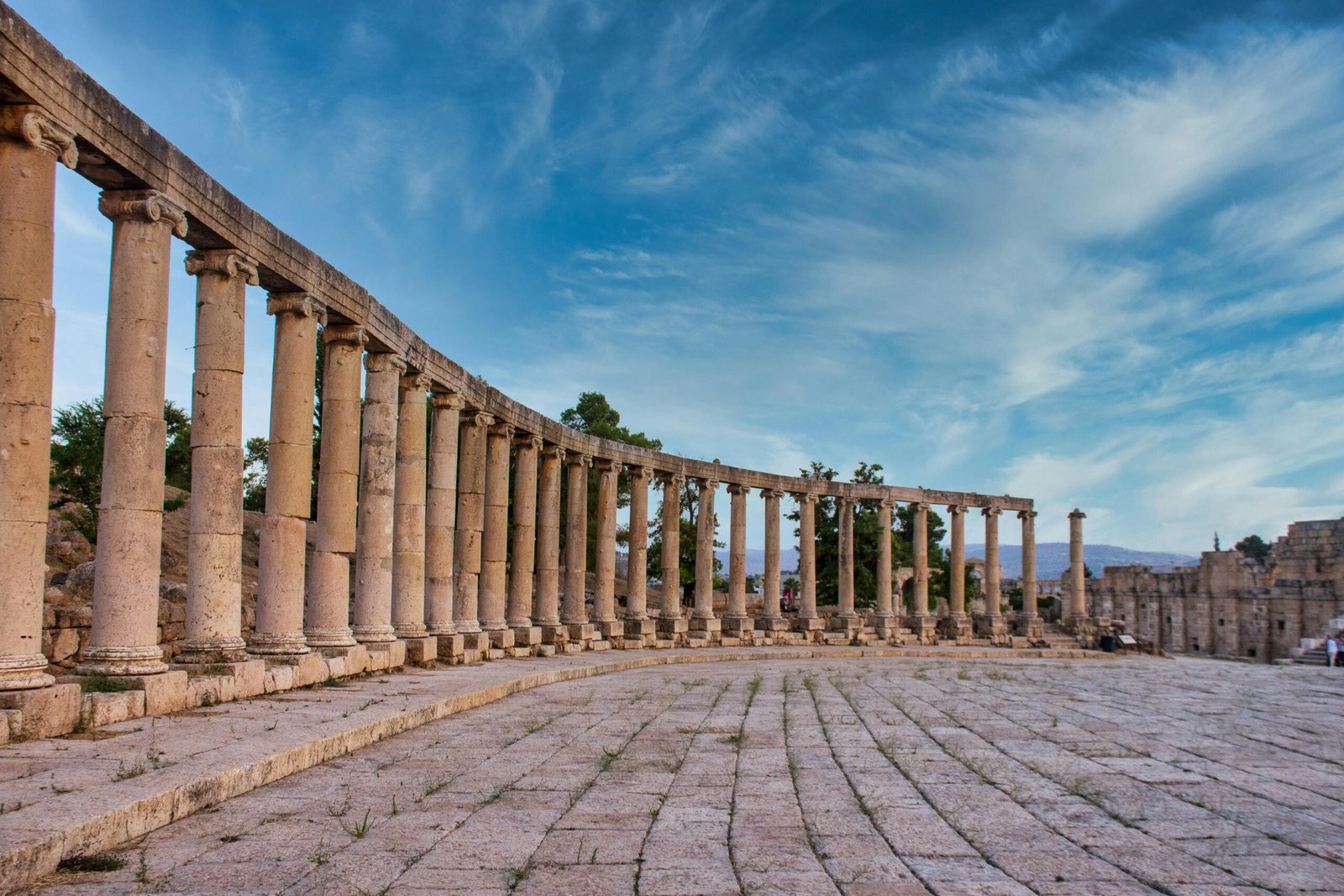
Cesta Roman, translated as “Roman road,” refers to the vast network of meticulously engineered roads constructed by the ancient Romans to connect cities, provinces, and military outposts throughout the Roman Empire. These roads were not merely transportation routes; they were strategic instruments that enabled political control, economic growth, and cultural integration across one of the largest empires in history. The enduring durability of many Roman roads, some of which still exist today, demonstrates the advanced engineering knowledge and organizational capability of Roman civilization.
We explore the origins, design principles, construction methods, societal impact, and long-term legacy of Cesta Roman. This comprehensive analysis highlights why Roman roads remain a benchmark for infrastructure excellence and historical innovation.
What Is Cesta Roman? Understanding Roman Road Systems
Cesta Roman represents the organized network of stone-paved highways developed beginning in the 4th century BCE. Designed primarily to facilitate rapid military movement, these roads soon became arteries of commerce, communication, and administration.
Roman engineers implemented standardized construction techniques that allowed for uniformity across thousands of miles of territory. The famous phrase “All roads lead to Rome” reflects the centralized planning of the empire, where major roads radiated outward from the capital, reinforcing Rome’s authority and influence.
Roman Road Engineering: Structure and Materials
The brilliance of Cesta Roman engineering lies in its layered construction system, which ensured longevity and resistance to environmental damage. Roman roads typically consisted of multiple layers:
-
Statumen – A foundation of large stones for stability
-
Rudus – A compacted layer of crushed stones
-
Nucleus – A mixture of sand and gravel for leveling
-
Summum Dorsum – Large paving stones forming the surface
This layered design provided excellent drainage and load distribution, preventing erosion and structural collapse. Slight road curvature allowed rainwater to flow into side ditches, reducing water damage. The precision in stone fitting minimized gaps, contributing to the road’s remarkable durability.
Construction Techniques of Cesta Roman
Building a Cesta Roman required detailed surveying and disciplined labor organization. Roman surveyors, known as agrimensores, used specialized tools to establish straight alignments across diverse terrains. Roads were often constructed in remarkably straight lines, even when passing through hills or forests.
Labor forces included Roman soldiers, slaves, and local workers. The disciplined workforce ensured consistent quality and adherence to engineering standards. Milestones placed along roads provided distance markers and inscriptions honoring emperors responsible for their construction.
Strategic Importance of Cesta Roman
The primary purpose of Cesta Roman was military efficiency. Rapid troop deployment enabled Rome to suppress rebellions, defend borders, and expand territory effectively. Roads allowed legions to move quickly and supply chains to function smoothly.
Beyond military use, Roman roads facilitated administrative communication. Messengers carried official decrees across provinces, ensuring centralized governance. This infrastructure strengthened imperial cohesion and reinforced Rome’s political dominance.
Cesta Roman and Trade Expansion
The economic impact of Cesta Roman trade routes was transformative. Roads connected agricultural regions, mining areas, and port cities, enabling goods such as grain, wine, olive oil, textiles, and metals to circulate efficiently.
Merchants benefited from safer and more predictable travel routes. The standardized road system reduced travel time and transportation costs, stimulating regional specialization and economic interdependence. Markets flourished along major routes, contributing to urban development.
Cultural Exchange Along Roman Roads
Cesta Roman served as conduits for cultural exchange. Languages, religious beliefs, artistic styles, and architectural techniques spread across provinces through interconnected road networks.
The movement of scholars, artisans, and traders fostered intellectual and cultural integration. This exchange strengthened the identity of the Roman Empire while simultaneously allowing local traditions to influence Roman society.
Famous Examples of Cesta Roman
Several Roman roads remain historically significant:
-
Via Appia – One of the earliest and most important Roman roads
-
Via Augusta – A major route in Hispania
-
Via Egnatia – Connecting the Adriatic Sea to Byzantium
These roads illustrate the geographical reach and engineering consistency of Cesta Roman infrastructure.
Longevity and Modern Influence
The durability of Cesta Romanconstruction continues to inspire modern civil engineering. Many contemporary road-building techniques draw from Roman principles such as layered foundations and efficient drainage systems.
In Europe and parts of the Mediterranean, segments of ancient Roman roads remain visible and, in some cases, integrated into modern transportation networks. Their continued existence highlights the advanced planning and craftsmanship of Roman engineers.
Decline and Preservation
Following the fall of the Western Roman Empire, maintenance of Cesta Roman networks declined. Political fragmentation and economic instability led to gradual deterioration. However, the robust construction ensured partial survival across centuries.
Today, preservation efforts protect these historical landmarks as cultural heritage sites. Archaeological research continues to uncover new insights into Roman infrastructure and regional connectivity.
Conclusion
Cesta Roman represents one of the most remarkable achievements of ancient engineering and infrastructure planning. More than simple transportation routes, Roman roads enabled military strength, economic expansion, cultural exchange, and centralized governance across a vast empire. Their innovative design, layered construction, and strategic alignment established a model for road systems that influenced civilizations for centuries. The enduring presence of Roman roads serves as tangible proof of the empire’s organizational sophistication and engineering mastery. Through Cesta Roman, we witness the profound impact infrastructure can have on shaping history, civilization, and global connectivity.
Frequently Asked Questions About Cesta Roman
What does Cesta Roman mean?
Cesta Roman translates to “Roman road,” referring to the extensive road network built by the ancient Romans.
Why were Roman roads important?
They enabled efficient military movement, trade expansion, administrative control, and cultural exchange.
How were Roman roads constructed?
They were built using layered foundations of stone, gravel, and paving blocks for durability and drainage.
Are any Roman roads still visible today?
Yes, several segments remain intact across Europe and the Mediterranean region.
How did Cesta Roman influence modern infrastructure?
Modern road construction techniques, including layered foundations and drainage systems, are inspired by Roman engineering principles.