
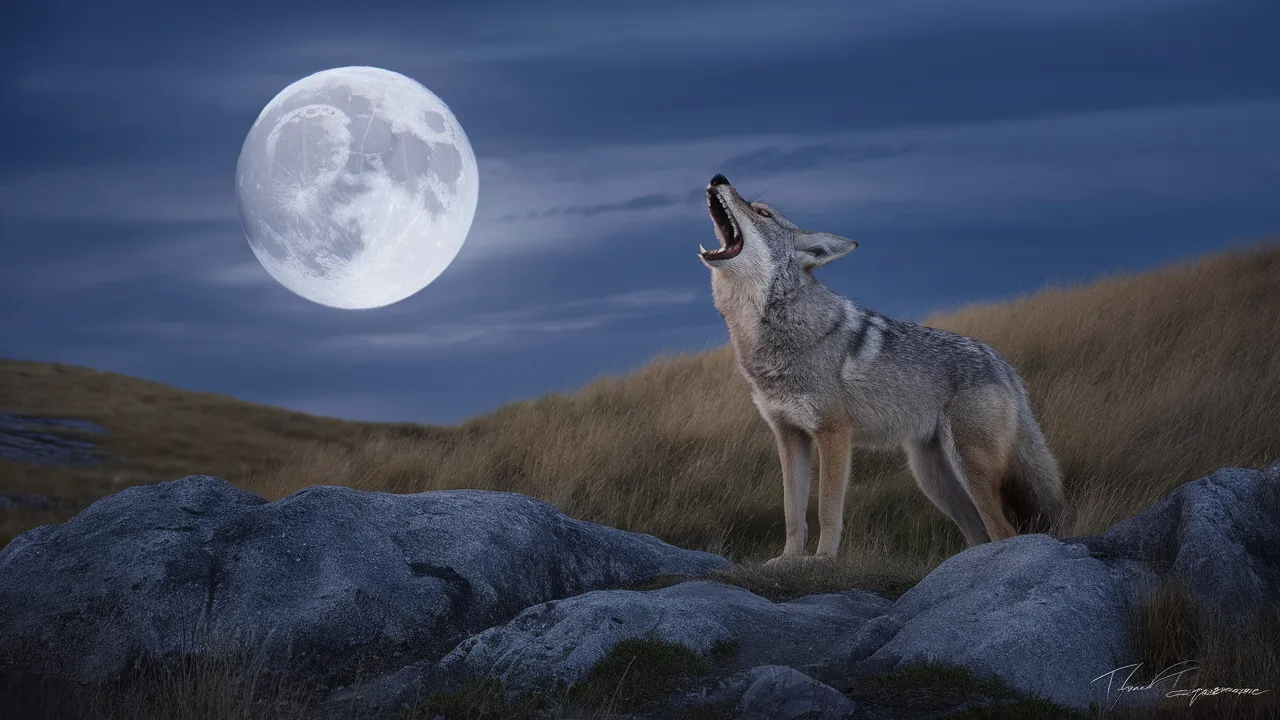
The term coyote call refers to the practice of using vocalizations or electronic devices to mimic the sounds of coyotes or prey animals. This technique is widely used by hunters, wildlife enthusiasts, and researchers to attract, observe, or study coyotes in their natural habitat. Coyotes (Canis latrans) are highly adaptive predators that communicate through a variety of vocalizations, including howls, yips, and barks. Understanding these sounds is crucial for both safety and effectiveness when engaging with wildlife.
Interest in coyote calls has increased due to a combination of ecological awareness, hunting trends, and recreational wildlife observation. For hunters, calls are a tool to lure coyotes closer for a legal harvest, while researchers and enthusiasts may use them to study behavior without disturbing natural patterns. This article explores the science of coyote communication, the techniques for using calls effectively, equipment selection, and safety considerations, offering a thorough guide for outdoor enthusiasts.
Understanding Coyote Communication
Coyotes are highly social and territorial animals, and their vocalizations serve multiple purposes. Coyote calls can be broadly classified into several types:
-
Howls: Often used to announce territory and maintain pack cohesion. A lone coyote howl may attract curiosity from other individuals.
-
Yips and Barks: These shorter sounds can signal alarm, frustration, or excitement. Yipping may indicate social interaction within a pack.
-
Screams and Wails: Typically associated with mating calls or distress, these high-pitched sounds can elicit investigatory behavior from nearby coyotes.
Recognizing these sounds helps hunters and wildlife observers interpret coyote behavior. For instance, a coyote responding to a pup-in-distress call may approach cautiously, while territorial howls could indicate multiple animals in the area.
Techniques for Using Coyote Calls
Effective use of a coyote call depends on timing, technique, and environmental awareness. Below are several widely practiced strategies:
1. Distress Calls
Distress calls mimic injured prey or coyote pups. They exploit the predator’s curiosity or territorial instincts. Hunters and wildlife photographers often use these calls during dawn or dusk when coyotes are most active.
2. Territorial Howls
Imitating a lone coyote’s howl can challenge territorial individuals, provoking them to investigate or respond. This technique is often combined with careful observation to anticipate movement patterns.
3. Prey Imitation
Calls that mimic rabbits, rodents, or other small prey species can attract coyotes hunting for food. Accuracy in tone, pitch, and rhythm significantly increases effectiveness.
4. Sequencing and Timing
Using calls intermittently and varying pitch patterns prevents coyotes from becoming suspicious. Long pauses followed by repeated calls mimic natural animal behavior and increase response rates.
Selecting the Right Coyote Call Equipment
The coyote call equipment market offers a variety of options to suit different experience levels:
-
Manual Calls: Hand-held devices that require blowing or manipulation to produce sound. Examples include reed-style calls and mouth calls.
-
Electronic Calls: Battery-operated devices capable of replicating a wide range of coyote and prey sounds. These are ideal for consistent sound projection over long distances.
-
Combination Systems: Some setups integrate both manual and electronic methods to enhance versatility in the field.
Quality, durability, and realism are key factors when selecting a call. Hunters and researchers often test several devices before committing to a model to ensure accurate sound reproduction and ease of use.
Coyote Call Ethics and Legal Considerations
Using coyote calls carries both ethical and legal responsibilities. In hunting, regulations vary by state or province, governing the types of calls permitted, hunting seasons, and bag limits. Adhering to these rules prevents legal infractions and promotes responsible wildlife management.
Ethical use also includes minimizing stress on animals when observing for research purposes. Calls should be used in moderation, and observers should avoid prolonged use that could disrupt natural behaviors or attract unintended predators.
Safety Tips When Using Coyote Calls
Coyotes are generally not dangerous to humans but can exhibit territorial behavior if provoked. Outdoor enthusiasts should follow these safety guidelines:
-
Always maintain situational awareness, especially in areas with dense vegetation or poor visibility.
-
Keep firearms or defensive tools properly secured if hunting.
-
Wear brightly colored clothing during hunting seasons to prevent accidental encounters with other hunters.
-
Avoid leaving food or bait near observation sites, which can attract other wildlife and create hazards.
Understanding Seasonal and Environmental Factors
Coyote behavior changes based on season, prey availability, and environmental conditions. Spring and fall typically see higher activity due to breeding cycles and pup rearing. Snow cover, temperature, and wind direction also influence call effectiveness. Positioning downwind and near natural trails increases the probability of a successful response.
The Benefits of Learning Coyote Calls
Understanding coyote calls benefits a wide range of outdoor enthusiasts. Hunters improve success rates and safety, wildlife researchers gain valuable observational insights, and photographers capture more authentic behavior. Moreover, the knowledge fosters a deeper connection with nature and greater appreciation for predator dynamics.
Conclusion: Mastering the Art of the Coyote Call
A coyote call is more than a hunting tool—it is a gateway to understanding one of North America’s most adaptable predators. Success depends on knowledge of coyote communication, strategic technique, ethical and legal awareness, and proper equipment selection. Whether used for hunting, research, or wildlife observation, mastering coyote calls enhances both effectiveness and safety in the field.
Respect for the natural behavior of coyotes ensures that outdoor enthusiasts can enjoy meaningful interactions without disrupting ecosystems. By combining skill, patience, and ethical practice, coyote calls provide a rewarding bridge between humans and wildlife.
Frequently Asked Questions (FAQ)
What is a coyote call?
A coyote call is a device or vocalization used to mimic coyote sounds or prey noises to attract, observe, or study coyotes.
Are coyote calls legal to use?
Legal use depends on local hunting and wildlife regulations. Always check state or provincial laws before using calls.
What types of coyote calls exist?
Manual (mouth or reed calls), electronic, and combination systems are common options.
Can coyote calls be used for research purposes?
Yes, wildlife researchers use calls to study behavior, track populations, and monitor ecosystems.
When is the best time to use a coyote call?
Dawn and dusk are peak activity periods. Seasonal factors and environmental conditions also affect response rates.
Is it safe to use coyote calls near humans?
Coyotes generally avoid humans, but caution is advised in areas where other hunters or pets may be present.