
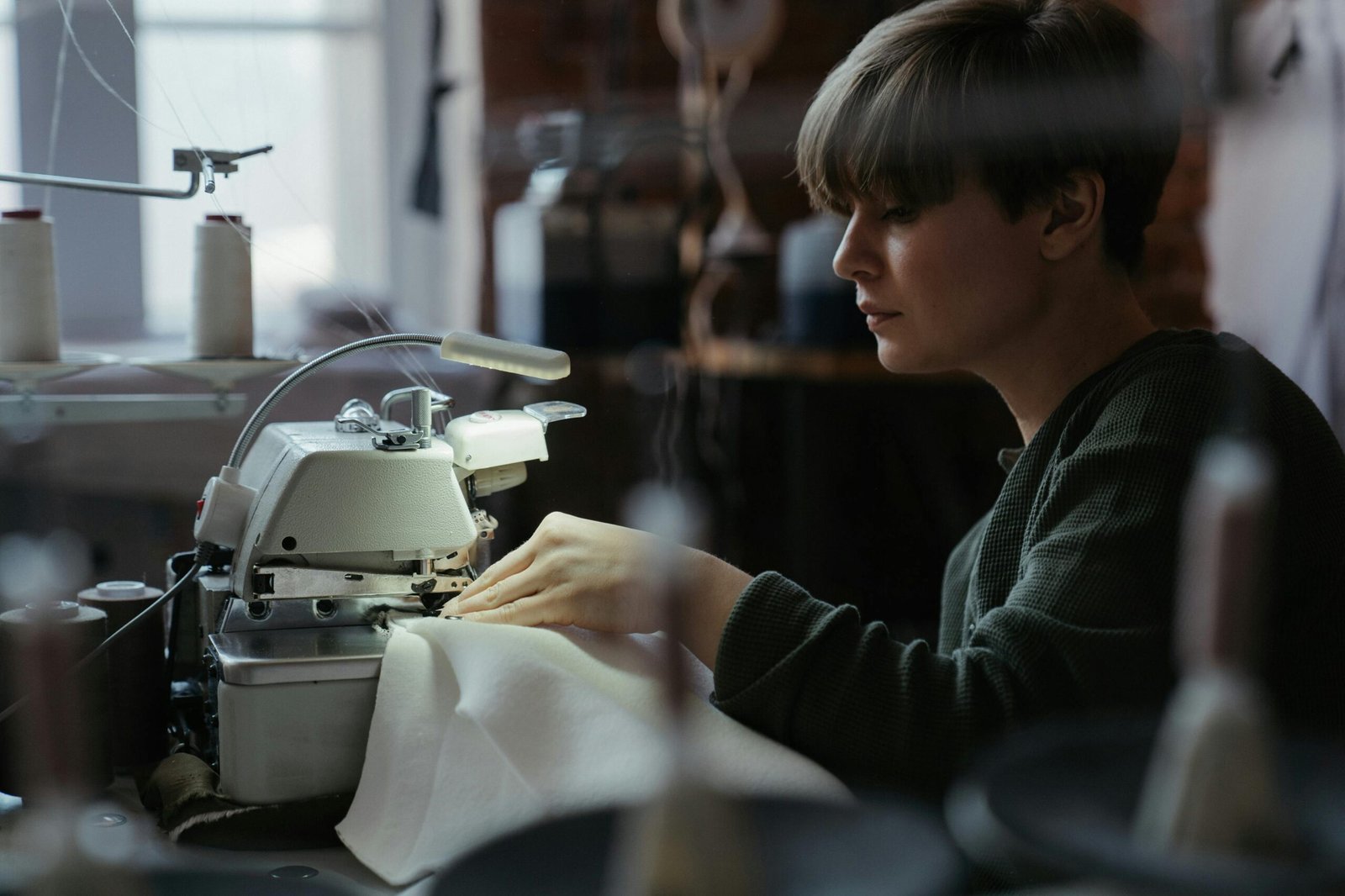
In the world of sewing, achieving clean, durable, and professional-looking seams requires more than a standard sewing machine. While traditional machines handle basic stitching and decorative patterns, a serger and overlock machine elevates craftsmanship by trimming raw edges, encasing seams, and preventing fabric fraying in one seamless operation. Whether we are tailoring garments, crafting home décor, or producing commercial apparel, the importance of a serger cannot be overstated.
A serger, commonly referred to as an overlock machine, uses multiple threads to create strong, stretchable, and neatly finished seams. This specialized equipment is widely used in garment manufacturing and increasingly adopted by home sewists who seek industrial-quality finishes. Understanding how a serger works, its advantages, and how it differs from a traditional sewing machine is essential for anyone serious about sewing.
This comprehensive guide explores everything about serger and overlock machines, including features, usage techniques, benefits, maintenance, and buying considerations.
What Is a Serger and Overlock Machine?
A serger and overlock machine is a specialized sewing machine designed to stitch over the edge of fabric while simultaneously trimming excess seam allowance. Unlike standard sewing machines, which typically use two threads, sergers operate with three, four, or even five threads. This multi-thread construction produces durable seams that resist unraveling and stretch with the fabric.
The term “serger” is commonly used in North America, while “overlock machine” is the international term. Technically, both refer to the same type of equipment. The overlock stitch secures fabric edges by looping threads around them, creating a clean and professional finish commonly seen in ready-to-wear garments.
How a Serger and Overlock Machine Works
A serger differs from a conventional sewing machine in its internal mechanism. Instead of a bobbin system, it uses loopers that interlace threads around the fabric edge. Most machines include:
-
Two loopers (upper and lower)
-
One or two needles
-
Built-in cutting blade
-
Differential feed system
As fabric passes through the machine, the blade trims the edge while the needles and loopers create a secure stitch formation. This simultaneous trimming and stitching process ensures uniform seam allowances and reduces bulk.
Key Features of a Serger and Overlock Machine
1. Multiple Thread Capability
Most sergers support three or four threads, while advanced models offer five-thread stitching. More threads increase seam strength and versatility, allowing for safety stitches and reinforced seams.
2. Differential Feed
Differential feed controls fabric movement under the presser foot. This feature prevents stretching on knit fabrics and eliminates puckering on lightweight materials. It is essential for professional garment construction.
3. Built-In Cutting Blade
The integrated blade trims fabric edges before stitching. This guarantees precision and consistency, particularly useful for mass production or repetitive sewing tasks.
4. Adjustable Stitch Length and Width
Customization allows us to modify stitch tightness and seam width based on fabric type and project requirements.
5. Rolled Hem Function
Many sergers include a rolled hem option, perfect for delicate fabrics like chiffon or silk.
Serger vs Sewing Machine: Understanding the Difference
A common question is whether a serger can replace a traditional sewing machine. The answer is no, as each serves a unique purpose. A standard sewing machine handles straight stitches, buttonholes, zippers, and decorative designs. A serger focuses specifically on finishing seams and creating stretchable overlock stitches.
Using both machines together produces professional results. For example, we might construct a garment using a sewing machine and then finish seams with a serger for durability and aesthetic appeal.
Benefits of Using a Serger and Overlock Machine
Using a serger offers significant advantages:
-
Prevents fabric fraying
-
Creates stretch-friendly seams
-
Improves garment durability
-
Enhances professional appearance
-
Speeds up production time
For knit fabrics, swimwear, sportswear, and activewear, a serger is particularly valuable due to its stretch-compatible stitches.
How to Use a Serger and Overlock Machine
Operating a serger requires practice but becomes intuitive with experience. The process typically includes:
-
Threading the loopers and needles correctly
-
Adjusting tension settings
-
Selecting stitch type
-
Aligning fabric with the cutting blade
-
Feeding fabric evenly through the machine
Proper threading is critical because incorrect tension can cause skipped stitches or loose seams. Many modern sergers include color-coded threading paths for ease of use.
Choosing the Best Serger and Overlock Machine
When purchasing a serger, we should consider:
-
Thread capacity (3, 4, or 5 thread)
-
Ease of threading
-
Adjustable differential feed
-
Noise level
-
Build quality
-
Brand reputation
-
Budget
Beginners may prefer simplified models with automatic tension adjustment, while advanced sewists often opt for machines offering wider stitch variety.
Maintenance and Care Tips
To ensure longevity, regular maintenance is essential. Sergers produce more lint than standard sewing machines due to the trimming blade. Cleaning should include:
-
Removing lint from loopers and feed dogs
-
Oiling moving parts as recommended
-
Replacing blades when dull
-
Checking tension disks periodically
Proper maintenance ensures consistent performance and extends machine lifespan.
Who Should Buy a Serger and Overlock Machine?
A serger is ideal for:
-
Home sewists aiming for professional finishes
-
Small-scale garment businesses
-
Fashion design students
-
Tailors working with stretch fabrics
-
DIY enthusiasts crafting activewear or children’s clothing
For those who sew occasionally, a sewing machine may suffice. However, anyone serious about garment construction will find a serger indispensable.
Frequently Asked Questions (FAQ)
1. Is a serger the same as an overlock machine?
Yes, both terms refer to the same type of machine that creates overlock stitches to finish fabric edges.
2. Can a serger replace a sewing machine?
No, a serger complements a sewing machine but does not replace it.
3. Is a serger suitable for beginners?
Yes, many models are designed for beginners, especially those with simplified threading systems.
4. What fabrics benefit most from a serger?
Knit fabrics, stretch materials, and lightweight textiles benefit greatly from overlock stitching.
5. How often should I clean my serger?
After every major project or when noticeable lint buildup occurs.
Conclusion
A serger and overlock machine transforms sewing from a basic hobby into a professional craft. By trimming, stitching, and finishing seams in one efficient process, it ensures durability, elasticity, and clean edges that mirror commercially produced garments. While it does not replace a traditional sewing machine, it significantly enhances garment construction quality and production speed.
Investing in the right serger model, understanding its features, and maintaining it properly empowers us to create polished, long-lasting pieces with confidence. For anyone committed to elevating their sewing projects, a serger is not just an accessory—it is a powerful and essential tool.