
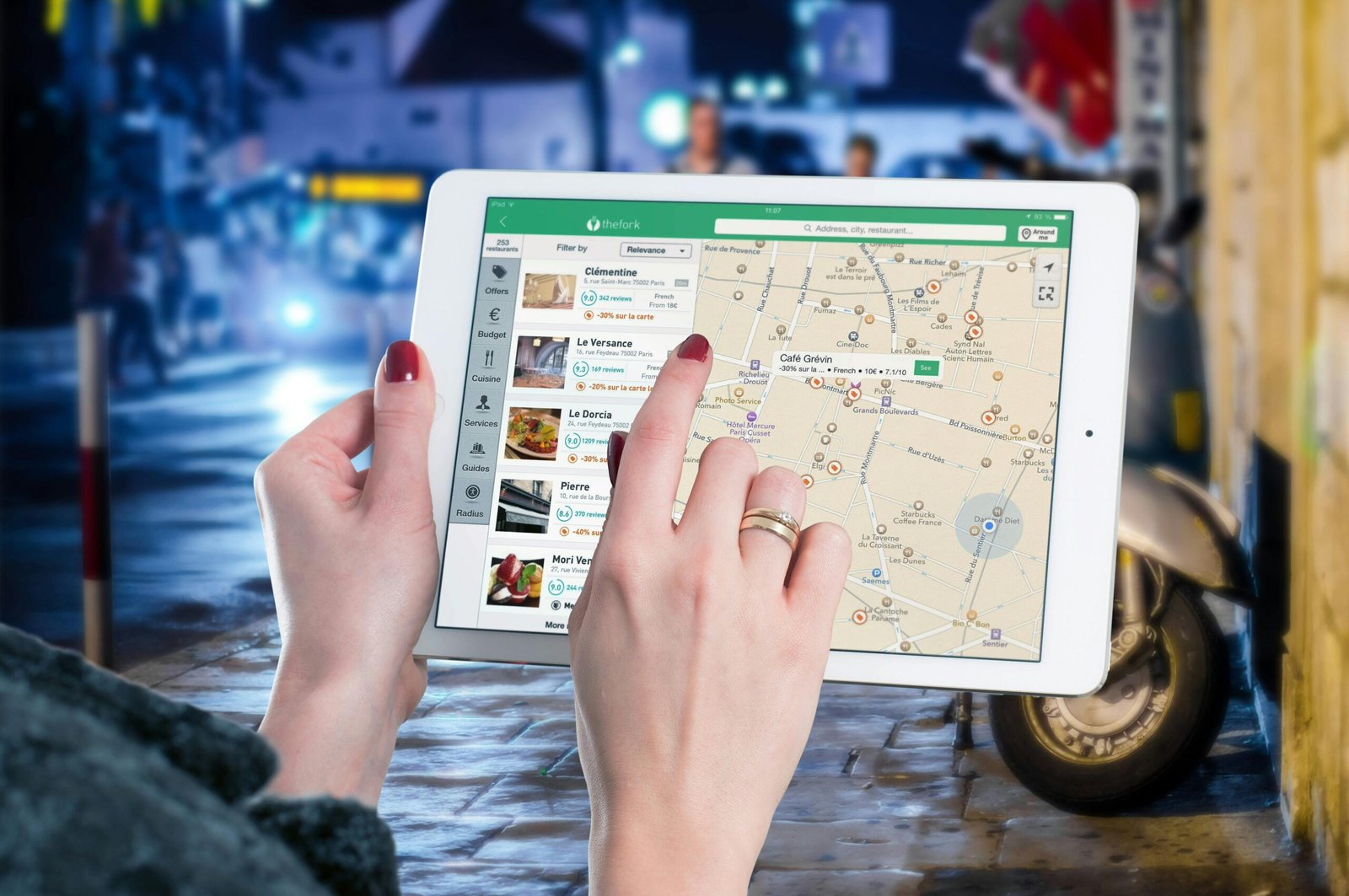
The term Video&A has gained increasing attention in digital searches, particularly among users seeking clarity around modern video-based communication, analysis, and interaction systems. As digital ecosystems continue to evolve, terms that combine video technology with analytical or interactive frameworks naturally rise in relevance. Video&A represents a growing concept that reflects how video content is no longer passive but deeply connected with engagement, insights, interpretation, and value-driven outcomes. In this comprehensive article, we explore the meaning of Video&A, its practical applications, digital importance, and why it continues to generate consistent online interest.
Understanding the Concept of Video&A
Video&A can be understood as a conceptual or functional combination of video content and analysis or interaction, where video is not merely consumed but examined, evaluated, or enhanced through structured engagement. This may include video analytics, video-based assessments, interactive video platforms, or question-and-answer systems embedded within video experiences. The defining characteristic of Video&A is its emphasis on value extraction from video rather than simple playback.
In modern digital environments, video has become one of the most powerful communication formats. Video&A builds upon this strength by adding layers of meaning, interpretation, and responsiveness, making video content more actionable and informative.
The Role of Video&A in Modern Digital Communication
The importance of Video&A lies in how it transforms video from a static medium into a dynamic tool. Organizations, educators, marketers, and digital platforms increasingly rely on video to convey complex information, and Video&A enhances this process by enabling feedback, insights, and measurable outcomes.
For example, Video&A frameworks allow users to interact with video content through questions, responses, or embedded data points. This approach improves comprehension, retention, and engagement, which are critical metrics in digital communication. As attention spans shorten, Video&A offers a structured way to maintain relevance and effectiveness.
Applications and Use Cases of Video&A
Video&A is applicable across multiple sectors due to its flexibility and scalability. In education, it supports interactive learning by allowing students to engage with video lessons through guided questions and analytical feedback. In business environments, Video&A is used for training, presentations, and performance evaluations, where understanding and response matter more than passive viewing.
In marketing and media, Video&A enhances audience engagement by integrating viewer interaction, feedback loops, and behavioral insights. This allows content creators to refine messaging based on real user responses rather than assumptions. These applications demonstrate why Video&A continues to gain traction across industries.
Why Video&A Is Gaining Search Interest
Search interest in Video&A is driven by the growing demand for smarter content solutions. Users are no longer satisfied with basic explanations; they want systems that combine clarity, engagement, and insight. Video&A meets this demand by offering a structured way to understand and interact with video content.
Additionally, the rise of data-driven decision-making has increased interest in analytical tools associated with video. As a result, Video&A has become a keyword associated with innovation, efficiency, and digital intelligence, making it increasingly visible in online searches.
Digital Relevance and Long-Term Value of Video&A
From a long-term perspective, Video&A represents an evergreen concept. As video continues to dominate digital platforms, the need for enhanced interaction and analysis will only increase. Content that explains and contextualizes Video&A remains valuable because it addresses ongoing trends rather than temporary developments.
Search engines prioritize content that demonstrates depth, clarity, and relevance, and Video&A aligns well with these criteria. By focusing on meaningful explanations and real-world relevance, content centered on Video&A maintains long-term visibility and authority.
Challenges and Considerations
While Video&A offers significant benefits, it also requires thoughtful implementation. The effectiveness of Video&A depends on content quality, user experience design, and clarity of purpose. Poorly structured Video&A systems can overwhelm users rather than engage them.
Therefore, successful Video&A strategies emphasize simplicity, relevance, and usability. When executed correctly, Video&A enhances understanding and engagement without adding unnecessary complexity.
Conclusion
In conclusion, Video&A represents a modern approach to video content that prioritizes interaction, insight, and value. By combining video with analytical or interactive frameworks, Video&A transforms how information is delivered and understood in digital spaces. This article has provided a comprehensive overview of Video&A, covering its meaning, applications, relevance, and long-term importance. As digital communication continues to evolve, Video&A stands out as a concept that aligns with both user expectations and technological progress.
Frequently Asked Questions (FAQ)
What does Video&A mean?
Video&A refers to the integration of video content with analytical, interactive, or question-based elements that enhance understanding and engagement.
Why is Video&A important?
Video&A improves how video content is consumed by adding structure, insight, and interaction, making it more effective and informative.
Where is Video&A commonly used?
Video&A is used in education, business training, marketing, media platforms, and digital communication environments.
Is Video&A relevant for the future?
Yes, as video continues to dominate digital content, Video&A remains highly relevant due to its ability to deliver deeper engagement and measurable outcomes.