
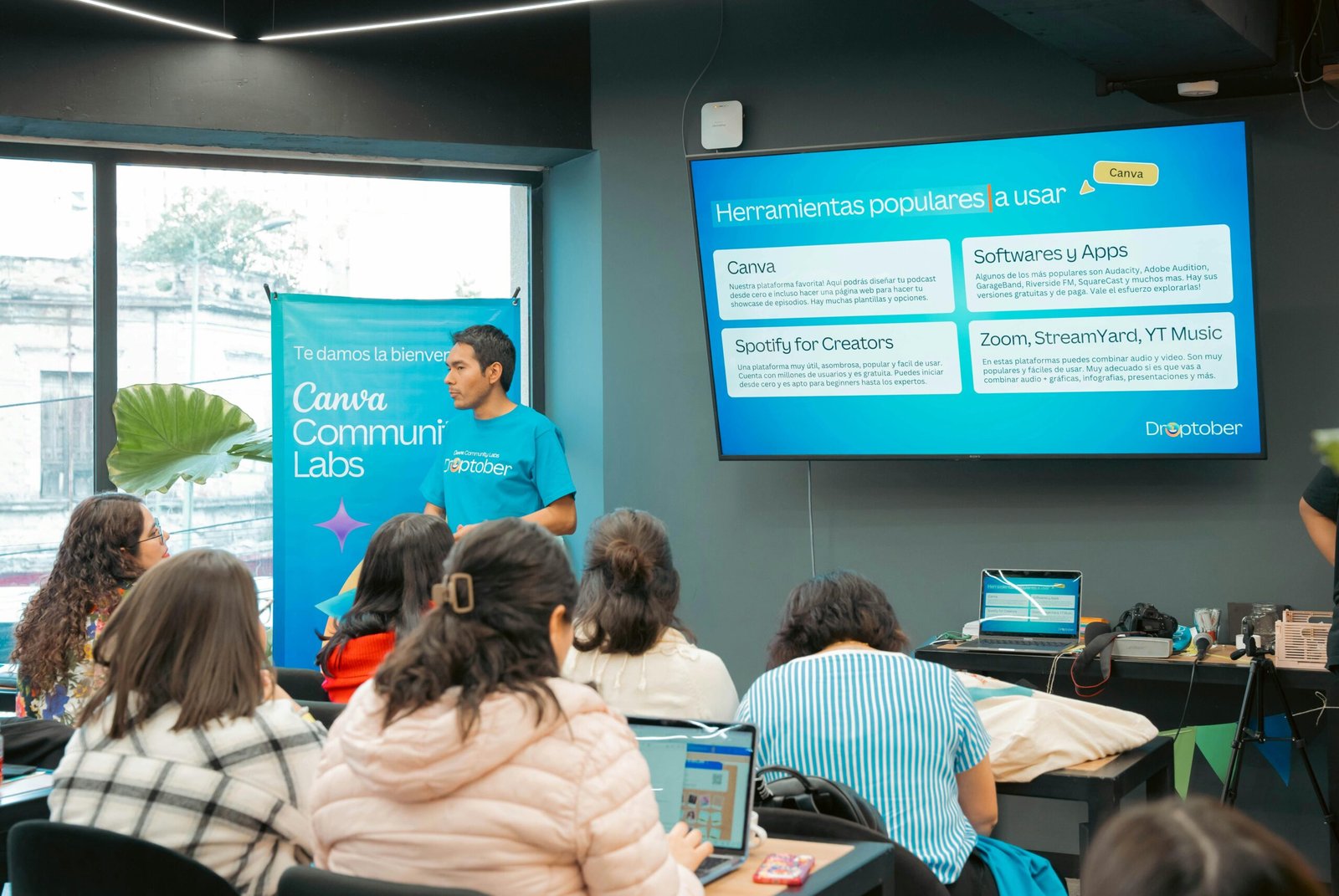
We stand at a pivotal moment in global education, where Global Teaching Labs are redefining how knowledge is created, shared, and applied across borders. As education systems face rapid technological change, evolving workforce demands, and increasing calls for equity and access, Global Teaching Labs emerge as structured, research-driven environments that bring educators, institutions, and learners together to co-create scalable solutions. These labs integrate pedagogy, technology, and cross-cultural collaboration to produce measurable learning outcomes while nurturing globally competent educators and students. In this comprehensive guide, we present an authoritative exploration of Global Teaching Labs—what they are, how they function, and why they matter—crafted to deliver depth, clarity, and practical insight.
What Are Global Teaching Labs?
Global Teaching Labs are structured educational ecosystems designed to test, refine, and scale teaching methodologies through collaborative research and practice. We define them as hubs—physical, virtual, or hybrid—where educators, instructional designers, technologists, and learners work together to prototype curricula, assess pedagogical tools, and analyze learning data. Unlike traditional classrooms, Global Teaching Labs prioritize iteration, evidence, and adaptability, ensuring that teaching strategies remain responsive to diverse cultural contexts and learner needs.
Core Principles of Global Teaching Labs
Evidence-Based Pedagogy
We ground every initiative in rigorous research, using learning analytics, formative assessments, and peer review to validate instructional choices. This commitment ensures that methods are not only innovative but demonstrably effective.
Cross-Border Collaboration
Global Teaching Labs thrive on international partnerships. We connect educators across regions to exchange perspectives, co-create materials, and adapt best practices for local relevance.
Technology-Enabled Learning
We integrate digital platforms, AI-assisted feedback, virtual reality, and collaborative tools to expand access and enrich learning experiences without sacrificing quality.
Equity and Inclusion
We embed inclusive design principles to serve learners of varied backgrounds, languages, and abilities, ensuring equitable participation and outcomes.
How Global Teaching Labs Operate
Global Teaching Labs operate through a structured lifecycle. We begin with needs analysis, identifying learning gaps and contextual constraints. Next, interdisciplinary teams design prototypes, such as modular curricula or digital learning objects. These prototypes undergo pilot implementation with real learners, followed by data collection and analysis. Iterative refinement leads to scalable deployment, often supported by policy alignment and institutional adoption.
This lifecycle enables rapid learning while maintaining academic rigor, ensuring that solutions are practical, transferable, and sustainable.
The Role of Technology in Global Teaching Labs
Technology serves as both an enabler and amplifier within Global Teaching Labs. We leverage learning management systems, collaborative workspaces, and analytics dashboards to coordinate global teams and monitor progress. Artificial intelligence supports personalized learning pathways, while virtual classrooms remove geographic barriers. Importantly, we select tools based on pedagogical value rather than novelty, ensuring alignment with learning objectives.
Teacher Training and Professional Development
A defining strength of Global Teaching Labs lies in teacher empowerment. We design continuous professional development programs that combine mentorship, micro-credentialing, and reflective practice. Educators participate as co-researchers, gaining skills in instructional design, assessment literacy, and educational technology. This approach fosters ownership, accelerates adoption, and builds a global community of practice committed to excellence.
Experiential and Project-Based Learning Models
Global Teaching Labs prioritize experiential learning, enabling students to engage with authentic challenges. We design project-based modules that address real-world issues—sustainability, public health, digital literacy—requiring interdisciplinary thinking and collaboration. Through guided reflection and assessment, learners develop transferable skills while contributing meaningful solutions.
Measuring Impact and Outcomes
We measure success through clear metrics aligned with learning goals and system priorities. These include learner achievement, engagement, skill acquisition, and long-term outcomes such as employability or educational persistence. At the institutional level, we assess scalability, cost-effectiveness, and policy alignment. Transparent reporting ensures accountability and continuous improvement.
Global Teaching Labs and Policy Alignment
To achieve scale, Global Teaching Labs align with educational policy frameworks and accreditation standards. We collaborate with ministries, accreditation bodies, and funders to integrate lab findings into curricula and teacher standards. This alignment accelerates systemic change while preserving local autonomy.
Challenges and Strategic Solutions
While Global Teaching Labs offer transformative potential, challenges persist. We address infrastructure disparities through low-bandwidth solutions and offline resources. Cultural adaptation is managed through local co-design and multilingual materials. Sustainability is achieved via diversified funding, institutional partnerships, and capacity building.
The Future of Global Teaching Labs
Looking ahead, Global Teaching Labs will increasingly integrate data-informed personalization, AI-driven insights, and global credentialing frameworks. We anticipate deeper collaboration between education and industry, ensuring that learning remains relevant to evolving labor markets. By maintaining a focus on equity, evidence, and collaboration, Global Teaching Labs will continue to shape resilient, inclusive education systems.
Conclusion
We recognize Global Teaching Labs as a cornerstone of modern education—dynamic environments where innovation meets evidence and collaboration transcends borders. By uniting educators, learners, and institutions around shared goals, these labs deliver scalable solutions that elevate teaching quality and learner outcomes worldwide. Through sustained investment, thoughtful design, and global partnership, Global Teaching Labs will remain instrumental in advancing education for the future.
Frequently Asked Questions (FAQ)
What makes Global Teaching Labs different from traditional classrooms?
Global Teaching Labs emphasize experimentation, data-driven refinement, and international collaboration, moving beyond static curricula to adaptive learning models.
Who can participate in Global Teaching Labs?
Educators, students, researchers, institutions, NGOs, and policymakers can participate, depending on the lab’s scope and objectives.
Are Global Teaching Labs fully online?
They can be physical, virtual, or hybrid, allowing flexibility based on context and resources.
How do Global Teaching Labs ensure quality?
Quality is ensured through evidence-based design, continuous assessment, peer review, and alignment with recognized standards.
What outcomes can institutions expect?
Institutions can expect improved teaching effectiveness, scalable innovation, enhanced global partnerships, and measurable learner success.