
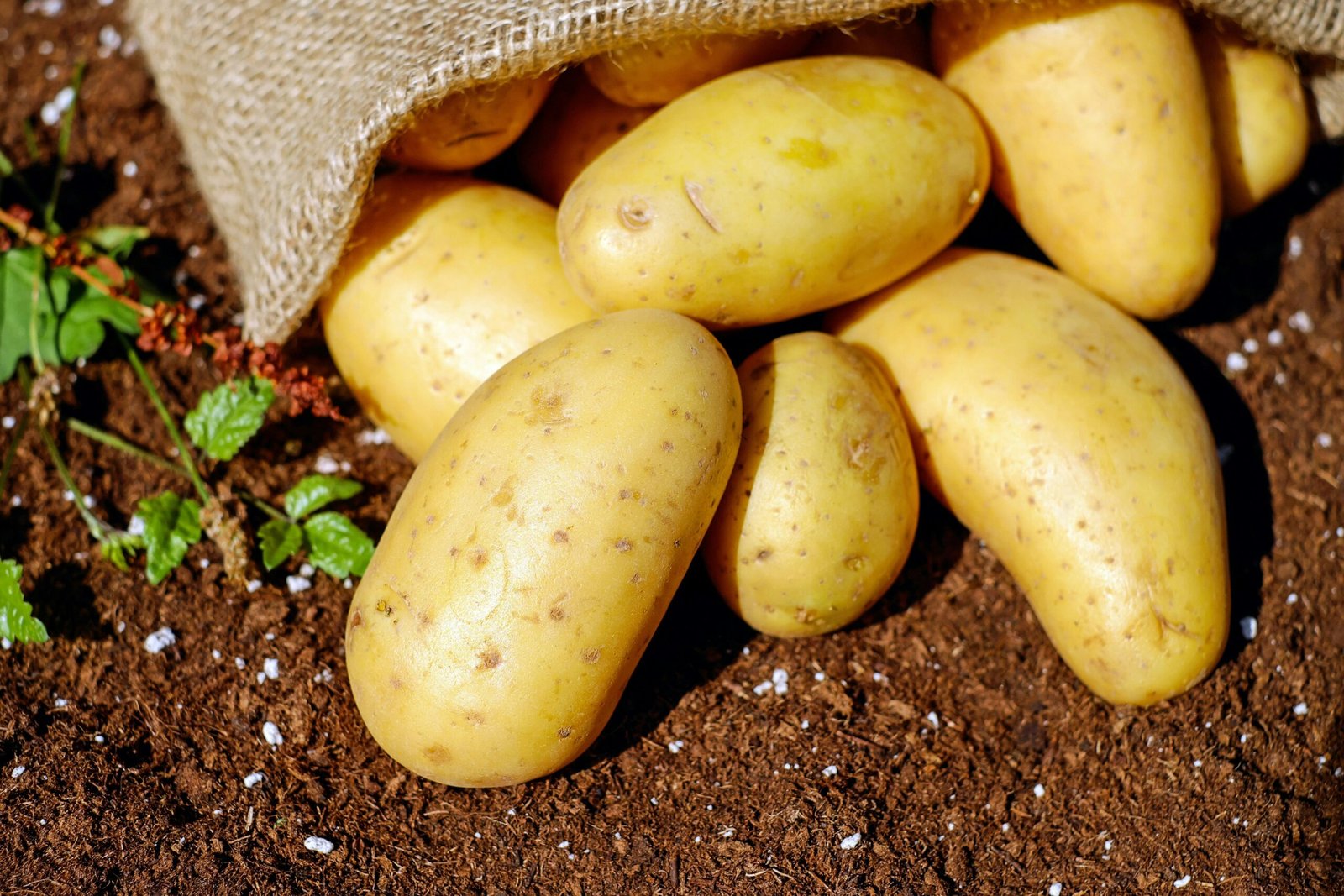
Potato starch has emerged as a versatile and highly valued ingredient in modern kitchens and health-conscious diets. Extracted from potatoes through a natural process that isolates the starch granules, this fine, white powder is known for its neutral flavor, excellent thickening ability, and impressive health benefits. As culinary trends evolve and more people explore gluten-free and clean-label ingredients, potato starch stands out as a powerful alternative to traditional thickeners.
We explore everything essential about potato starch, including its nutritional value, health benefits, culinary applications, and how it compares to other starches.
What Is Potato Starch?
Potato starch is a refined carbohydrate extracted from raw potatoes. During processing, the potatoes are crushed, releasing starch grains, which are then washed, dried, and converted into a fine powder. Unlike potato flour, potato starch contains minimal protein and fat, making it ideal for thickening without altering taste.
Its high amylopectin content gives it superior thickening power, while its ability to retain moisture makes it a valuable ingredient in both cooking and baking.
Nutritional Profile of Potato Starch
Potato starch is primarily composed of carbohydrates, but its real value lies in its resistant starch content, especially when consumed raw or cooled after cooking.
- Calories: Moderate energy source
- Carbohydrates: High
- Fat: Nearly zero
- Protein: Minimal
- Fiber: Contains resistant starch
Resistant starch behaves like dietary fiber, supporting digestive health and improving metabolic functions.
Health Benefits of Potato Starch
1. Supports Gut Health
One of the most significant benefits of potato starch is its role as a prebiotic fiber. Resistant starch feeds beneficial gut bacteria, promoting a balanced microbiome. This leads to improved digestion, reduced inflammation, and enhanced immune function.
2. Improves Insulin Sensitivity
Studies suggest that resistant starch can help improve insulin sensitivity, making potato starch beneficial for individuals managing blood sugar levels. It slows glucose absorption, preventing spikes in blood sugar.
3. Aids in Weight Management
By promoting satiety and reducing hunger hormones, potato starch can support weight loss efforts. It keeps you feeling fuller for longer, reducing overall calorie intake.
4. Enhances Digestive Function
Potato starch contributes to better digestion by increasing stool bulk and supporting regular bowel movements. It helps prevent constipation and promotes overall digestive wellness.
Potato Starch vs Cornstarch: Key Differences
Understanding the differences between potato starch and cornstarch is essential for choosing the right ingredient:
- Texture: Potato starch provides a lighter, silkier texture
- Temperature Stability: Thickens at lower temperatures
- Flavor: Completely neutral
- Clarity: Produces clearer sauces compared to cornstarch
- Gluten-Free: Both are gluten-free, but potato starch is often preferred in clean-label recipes
For recipes requiring a glossy finish and delicate texture, potato starch is the superior choice.
Culinary Uses of Potato Starch
1. Thickening Agent
Potato starch excels as a thickener for soups, sauces, and gravies. It activates quickly and creates a smooth consistency without clumping.
2. Baking Ingredient
In gluten-free baking, potato starch improves texture by adding moisture and softness to cakes, breads, and pastries.
3. Frying Coating
When used as a coating for fried foods, potato starch creates a crispy, golden crust. It is widely used in Asian cuisine for frying chicken and seafood.
4. Noodle and Dumpling Preparation
Potato starch is commonly used to make translucent noodles and chewy dumplings, enhancing texture and elasticity.
How to Use Potato Starch Effectively
- Always mix with cold water before adding to hot liquids to avoid lumps
- Add at the end of cooking to maintain consistency
- Avoid prolonged heating, as it may break down and lose thickening power
- Use in moderation, as it thickens more efficiently than other starches
Best Substitutes for Potato Starch
If potato starch is unavailable, consider these alternatives:
- Cornstarch: Similar thickening properties
- Arrowroot powder: Ideal for clear sauces
- Tapioca starch: Provides elasticity in baking
- Rice flour: Suitable for light thickening
Each substitute offers unique characteristics, but potato starch remains unmatched in versatility.
Potato Starch in Gluten-Free Diets
For individuals with gluten intolerance, potato starch is an essential ingredient. It enhances the texture of gluten-free baked goods, preventing dryness and crumbling. Its neutral taste allows it to blend seamlessly into recipes without overpowering other ingredients.
Storage and Shelf Life
To maintain quality, potato starch should be stored in a cool, dry place in an airtight container. Proper storage ensures a long shelf life and preserves its thickening properties.
Conclusion
Potato starch is more than just a thickening agent—it is a multifunctional ingredient with remarkable health benefits and culinary versatility. From improving gut health to enhancing the texture of dishes, it plays a vital role in both traditional and modern cooking. Its gluten-free nature and neutral taste make it indispensable for a wide range of recipes. By incorporating potato starch into daily cooking, we unlock both nutritional advantages and superior culinary results.
Frequently Asked Questions (FAQ)
1. Is potato starch the same as potato flour?
No, potato starch is pure starch extracted from potatoes, while potato flour contains the whole potato, including protein and fiber.
2. Can potato starch be eaten raw?
Yes, consuming raw potato starch provides resistant starch, which supports gut health. However, it should be consumed in moderation.
3. Is potato starch healthy?
Yes, it offers multiple benefits, especially for digestive health and blood sugar control.
4. Can I substitute potato starch for cornstarch?
Yes, but potato starch has stronger thickening power, so slightly less should be used.
5. Does potato starch work for frying?
Absolutely, it creates a crispy and light coating, making it ideal for frying.